


Nationwide Hazardous Waste Management & Rapid Hire Limited
Protect people, property and the environment with safe hazardous waste collection and disposal across the UK. We support businesses with classification, segregation, compliant paperwork and collections routed to authorised facilities.
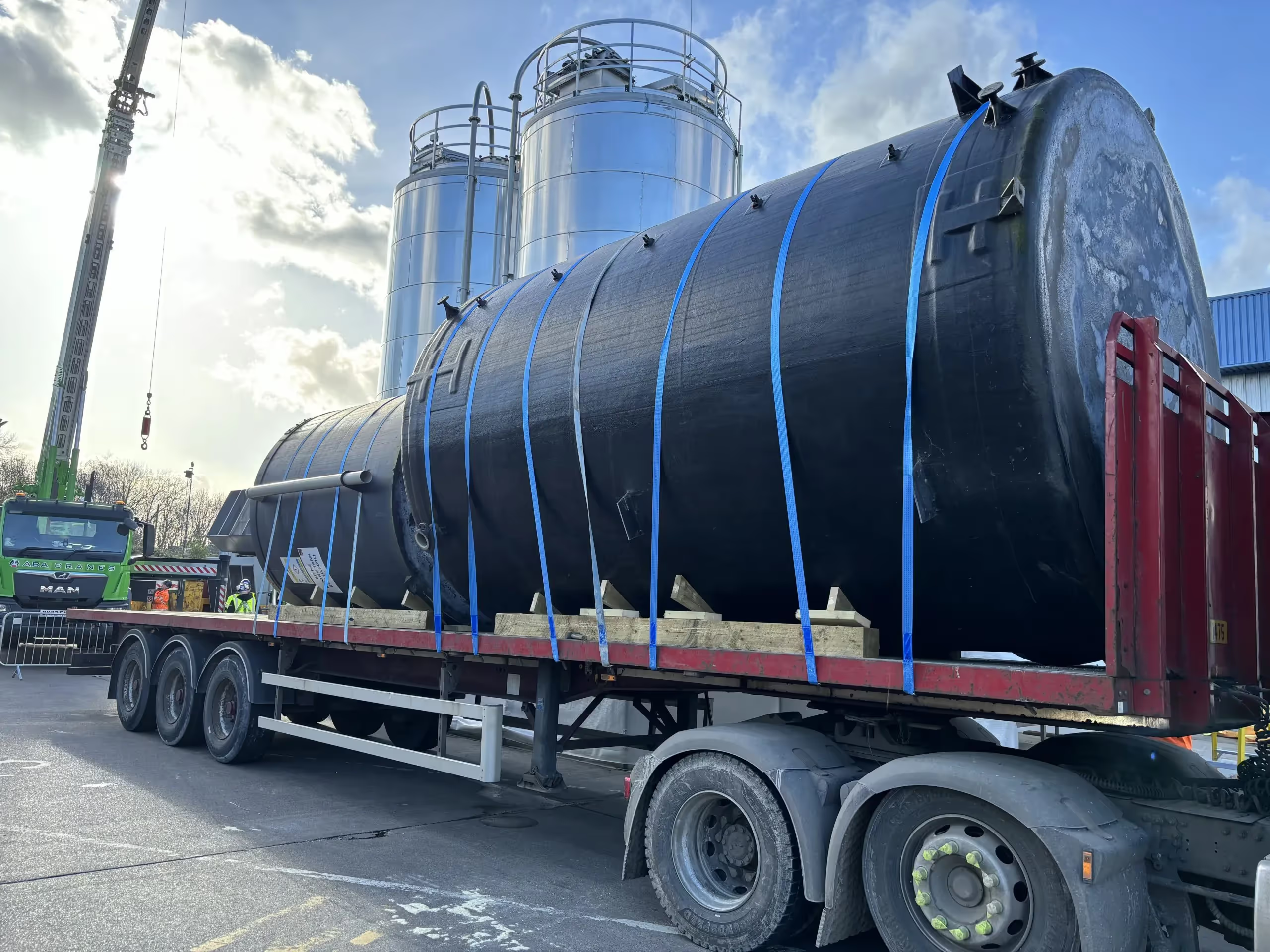
Safe Hazardous Waste Solutions for UK Businesses
Hazardous waste includes wastes that can harm human health or the environment and must be managed under stricter controls than general waste. In the UK, businesses have a duty of care to store, move and dispose of waste safely, using authorised carriers and permitted sites.
Rapid Hire Limited provides nationwide hazardous waste management for organisations that need a reliable, compliant service. Whether you have a one-off collection or ongoing waste streams, we help you keep operations audit-ready with clear documentation and traceability.
What Counts as Hazardous Waste?
Hazardous waste is identified through waste classification using List of Waste (LoW) / European Waste Catalogue (EWC) codes, supported by product Safety Data Sheets and (where needed) sampling and testing. Correct classification must be completed before waste is moved, treated or disposed of.
Common hazardous waste examples include asbestos, solvents, oils, batteries, pesticides and certain chemicals. Hazardous wastes can be solid, liquid, sludge or gas, and may be hazardous due to properties such as flammability, toxicity, corrosivity or reactivity.
How Our Hazardous Waste Service Works
We support a practical cradle-to-grave workflow: identify and classify the waste, keep streams segregated, package and label appropriately, arrange collection, and direct waste to authorised treatment or disposal routes.
Where possible, we prioritise recovery and recycling options in line with the waste hierarchy. Where recycling is not appropriate, we arrange compliant treatment and final disposal with full traceability.
Consignment Notes and Recordkeeping
When hazardous waste is moved, it must travel with a correctly completed consignment note until it reaches its final destination. We guide you through the information required (including LoW/EWC codes) and ensure your paperwork supports duty of care requirements.
In England, hazardous waste producers and holders must keep copies of consignment notes and related documents for 3 years at the premises that produced or stored the waste.
UK Coverage and Sector Experience
We provide hazardous waste collections across England, Scotland and Wales, supporting organisations in manufacturing, engineering, construction, healthcare, automotive, retail and facilities management.
If you are searching for hazardous waste disposal near me, our nationwide network helps reduce delays by routing collections and treatment through appropriate authorised facilities.
Why Choose Rapid Hire Limited?
Complete hazardous waste management & from assessment and classification through to compliant collection and disposal.
Expert classification support & assistance with waste identification, LoW/EWC coding, and required documentation.
Segregation-first approach & helps minimise risk, avoid contamination, and prevent costly non-compliance issues.
Nationwide collections & flexible scheduling across the UK to suit operational and site requirements.
Authorised disposal routes & waste handled through permitted facilities with full regulatory compliance.
Sustainability-led handling & waste managed in line with the waste hierarchy to prioritise recovery and responsible treatment.
- Book now
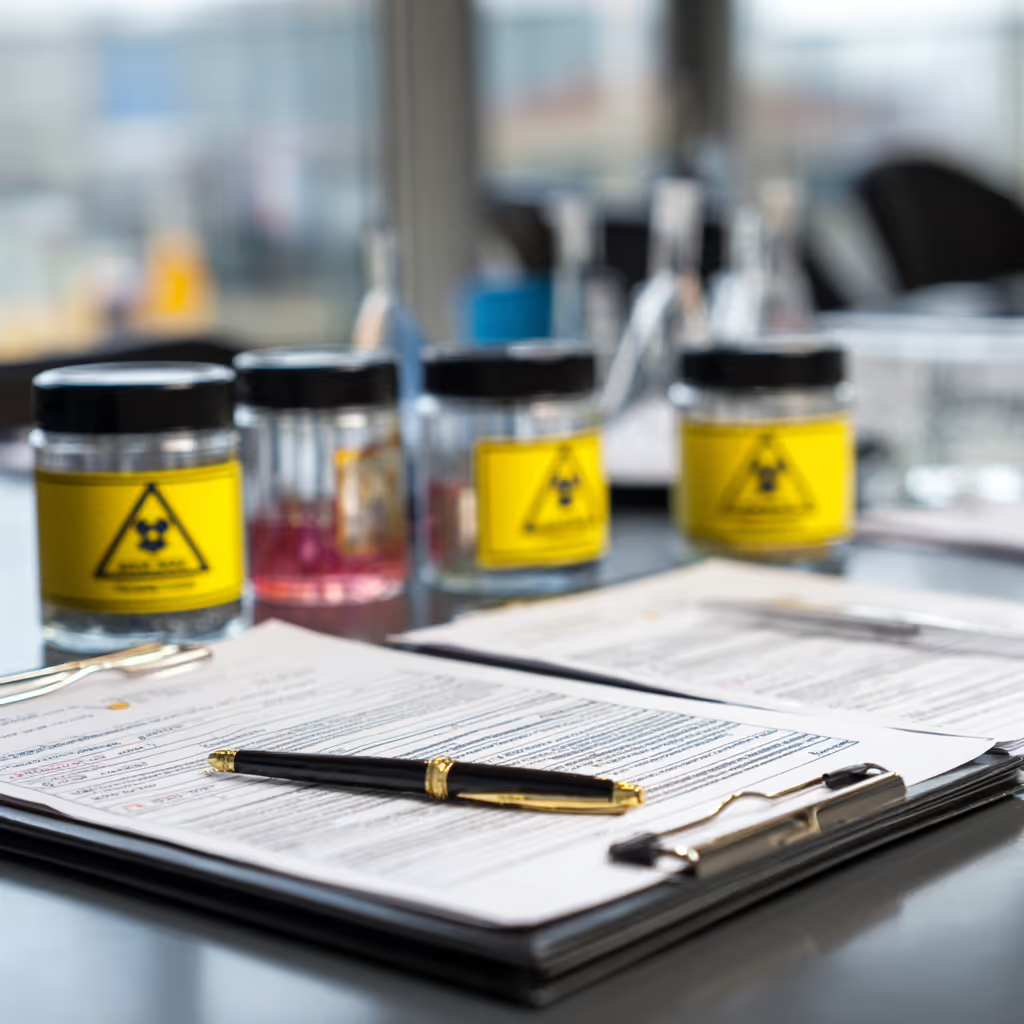
Waste Identification & Classification
Get the classification right before waste is moved, treated or disposed of.
Support using LoW/EWC codes and Safety Data Sheets.
Sampling and testing guidance where needed.
Clear descriptions for compliant documentation.
Outcome: correctly described hazardous waste stream(s).
Supports: compliant movement and acceptance at authorised facilities.
Best practice: keep streams separated to protect recovery options.
- Book now
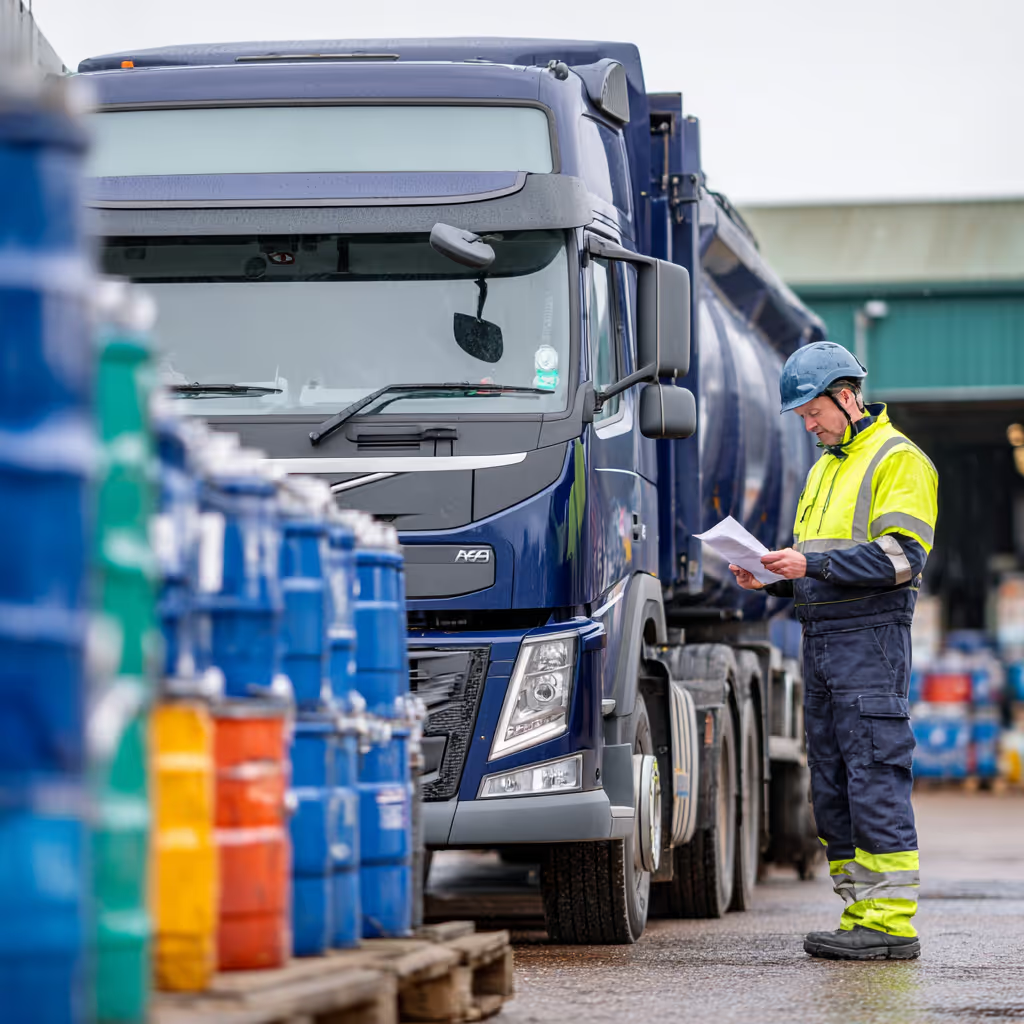
Segregation & Safe Storage
Reduce risk by keeping hazardous waste separate and securely stored.
Segregation to prevent mixing and dangerous reactions.
Storage plans that reduce leaks, spills and cross-contamination.
Clear labelling to support safe handling.
Key rule: mixing hazardous waste is prohibited unless specifically authorised.
Site benefit: safer operations and easier compliance checks.
Practical approach: separate hazardous from non-hazardous waste.
- Book now
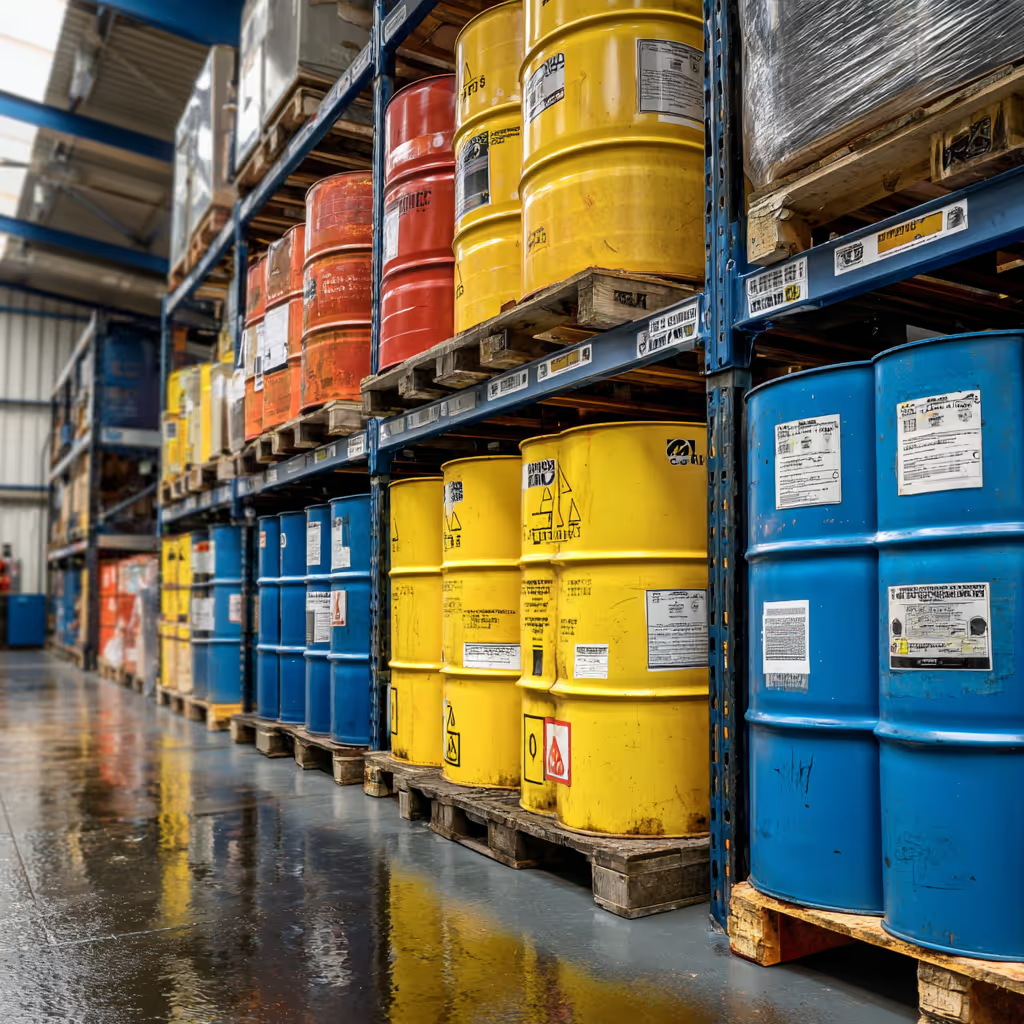
Collection & Consignment Notes
Collections scheduled around your operations, with the correct paperwork in place.
Consignment notes prepared correctly before waste moves.
Documentation travels with the waste until final destination.
Authorised carrier and authorised facility routing.
England: producers/holders retain records for 3 years.
Audit support: keep copies of consignment notes and related documents.
Always confirm waste type before collection.
- Book now

Treatment, Recovery and Disposal
Appropriate treatment routes with traceability and sustainability in mind.
Recovery and recycling considered where suitable.
Treatment and final disposal arranged through authorised routes.
Clear reporting and a documented chain of custody.
Approach: apply the waste hierarchy to hazardous waste decisions.
Goal: minimise landfill where appropriate and lawful.
Outputs: documentation supporting compliance and governance.
Compliance Essentials and Customer Responsibilities
Hazardous waste is highly regulated. Correct classification, segregation and authorised collection are essential to meet duty of care requirements and protect staff, customers and the environment.
Rules vary across the UK. In Scotland, hazardous waste is regulated as “special waste†and uses Special Waste Consignment Notes with SEPA-issued codes. In all cases, always use authorised carriers and permitted sites.
What You Must Do as a Waste Producer or Holder
Classify waste correctly using LoW/EWC codes and supporting information.
Store hazardous waste safely and securely, separated from other waste streams.
Use authorised businesses to collect and manage waste, checking carrier registration and site permissions.
Ensure consignment notes are completed correctly and accompany waste until final destination.
Keep required records for the required period (England producers/holders: 3 years).
Non-Negotiables for Safe Handling
Do not mix hazardous waste with non-hazardous waste or mix incompatible hazardous categories.
Keep waste descriptions accurate so carriers and consignees can complete checks.
Identify any special transport requirements early (some wastes may also be classed as dangerous goods).
Declare unusual or high-risk streams (for example asbestos or radioactive substances) before booking.
All services are subject to waste acceptance criteria, safe access, and regulatory requirements. Customers must provide accurate waste information; hazardous waste must be segregated and correctly described to support compliant collection and treatment.

Request a Hazardous Waste Quote
For compliant hazardous waste disposal and hazardous waste management across the UK, contact Rapid Hire Limited. We’ll confirm waste streams, advise on documentation, and arrange collection through authorised routes.
Hazardous waste collections and routes depend on classification, packaging, and local authorised facility availability.
Hazardous waste collections and routes depend on classification, packaging, and local authorised facility availability.