


Nationwide Vacuum Excavation Services
Rapid Hire provides vacuum excavation (suction excavation) and operated suction excavator hire across the UK. A precise, non-destructive digging method for safely exposing underground services, trial holes, trenching and confined-access projects.
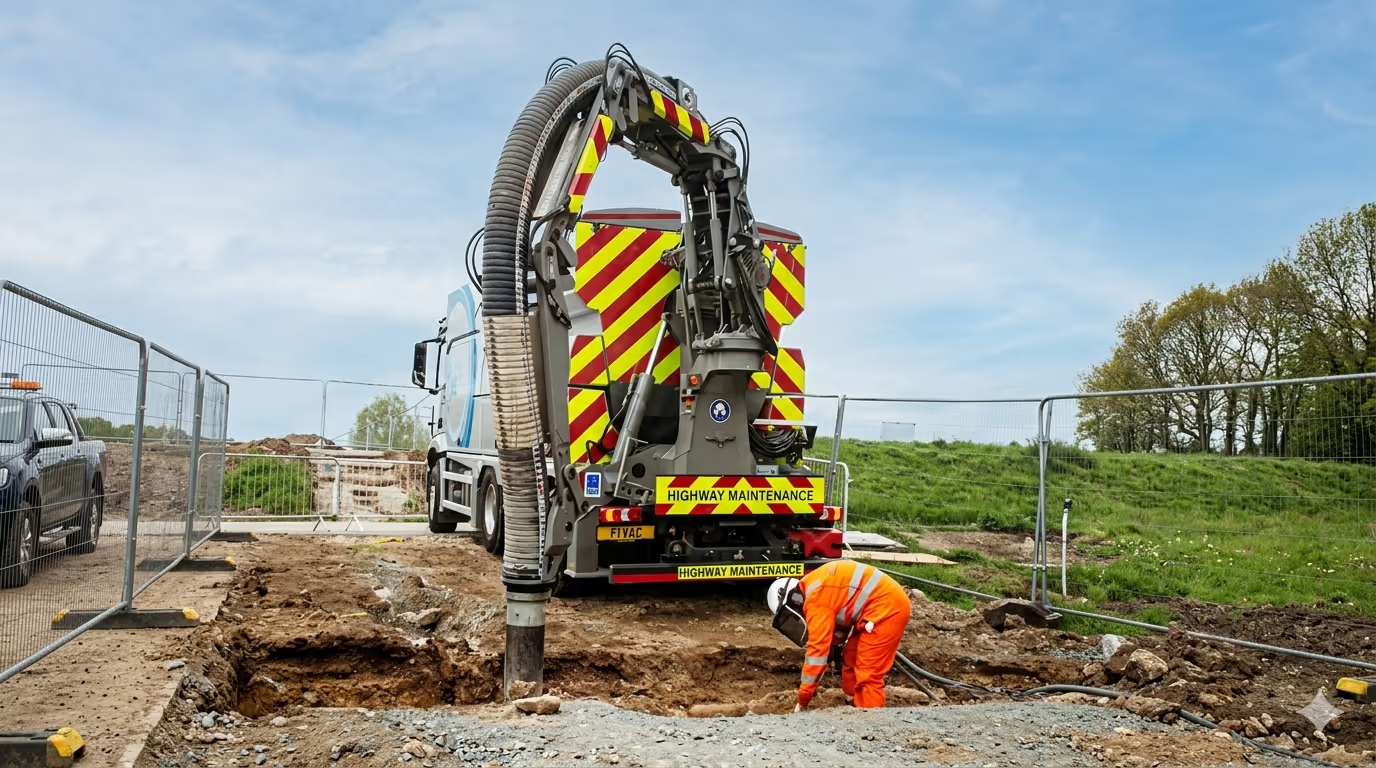
Safe, Precise Digging Around Underground Services
Vacuum excavation is a non-destructive method that loosens soil using air or water and removes it through a high-powered suction hose into a sealed debris tank. This controlled approach helps reduce the risk of striking buried services compared with traditional mechanical excavation.
It is widely used for locating and exposing live infrastructure such as electricity cables, gas mains, water pipes and telecoms ducts, where accuracy and damage prevention are critical.
Where Vacuum Excavation Fits on UK Projects
Vacuum excavation is commonly used for potholing and trial holes, slot trenching, utility verification, root-zone excavation, deep excavation support and work in congested urban sites where conventional plant access is restricted.
For projects working under PAS 128 verification-by-excavation requirements, vacuum/suction excavation can be used to physically expose and confirm the exact position and depth of utilities.
Operated Suction Excavator Hire Nationwide
Our suction excavators are supplied with experienced operators for a safe, efficient service. We work with contractors, utility providers and civil engineering teams to integrate vacuum excavation into RAMS, traffic management and programme requirements.
We offer flexible hire options including day hire, longer-term booking and rapid response support for urgent works, subject to availability and site readiness.
Why Choose This Service?
Non-destructive excavation – precise digging around live utilities and sensitive underground assets.
Clean and controlled excavation – reduced spoil disturbance with contained vacuum removal.
Operated hire available – experienced qualified operators support safe systems of work and reliable project delivery.
Versatile excavation method – ideal for potholing, slot trenching, deep access and confined areas.
Nationwide service coverage – suitable for both single-site works and multi-site infrastructure projects.
- Book now
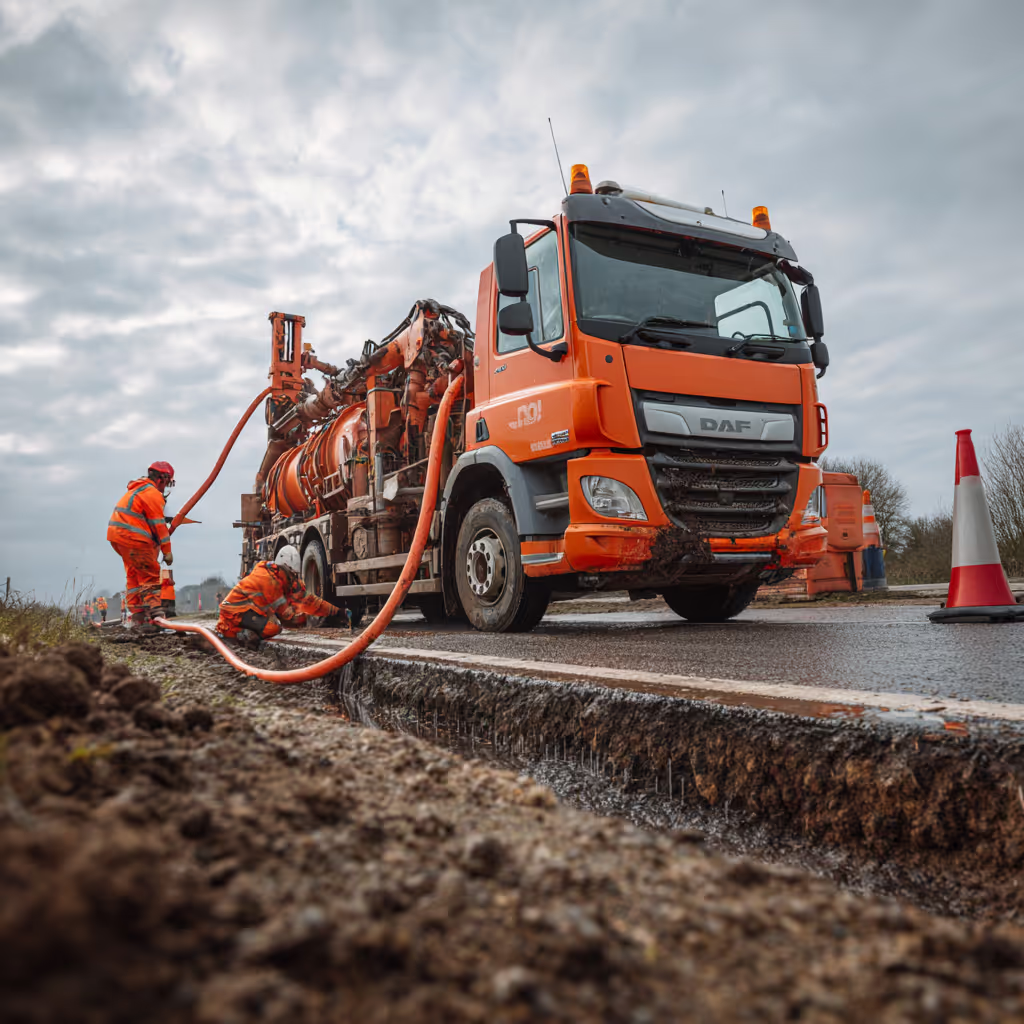
Utility Exposure and Potholing
Targeted excavation to expose and verify buried services with minimal disruption.
Ideal for service locating, trial holes and verification excavations.
Controlled removal reduces the likelihood of accidental strikes.
Supports safer working practices near live infrastructure.
Best for: utilities, highways, civils and complex urban projects.
Output: spoil contained in the debris tank for controlled handling.
Note: correct planning and service locating are still required.
- Book now
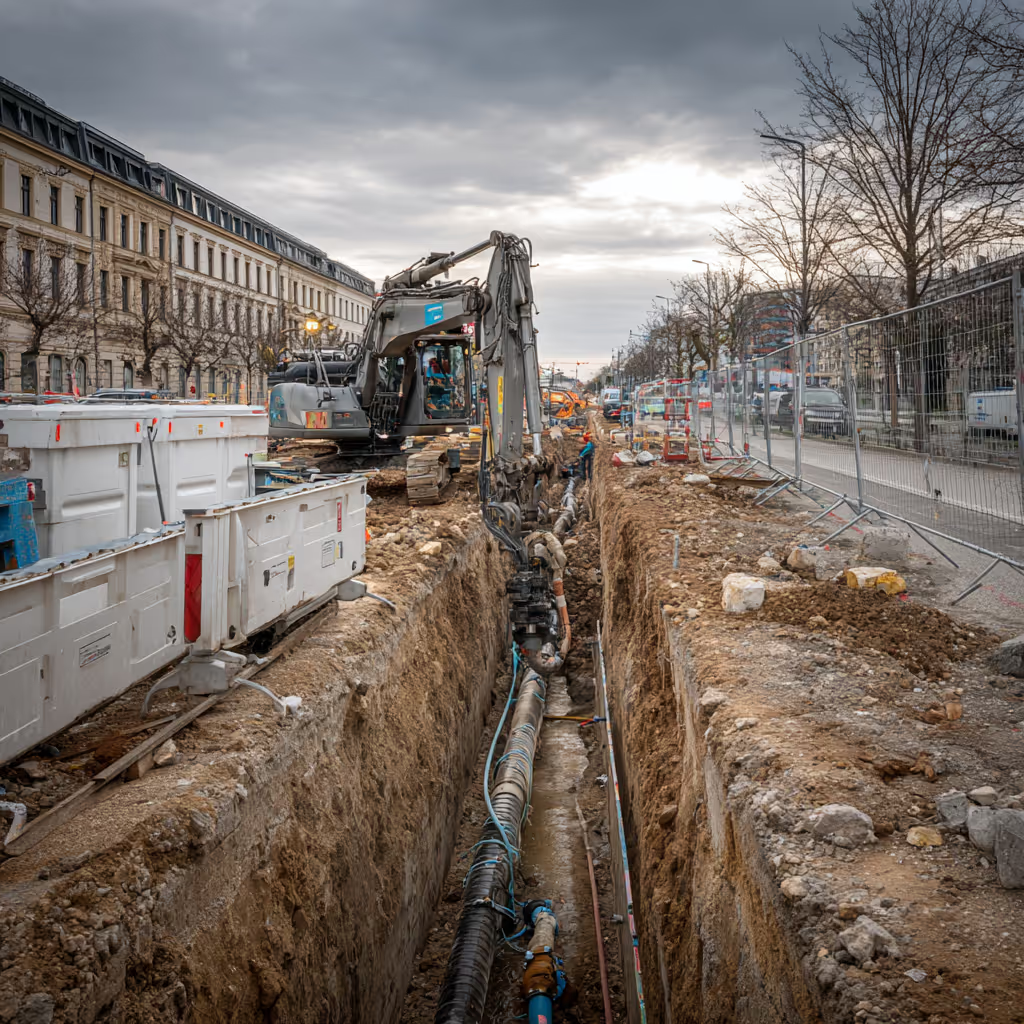
Slot Trenching and Narrow Excavation
Precise trenching where reducing excavation width can lower reinstatement and backfill requirements.
Useful for cable and duct routes in constrained areas.
Minimises unnecessary ground disturbance.
Supports cleaner, more organised work sites.
Common uses: ducts, drainage interfaces and targeted trenching.
Works with staged programmes and restricted footprints.
Final dimensions depend on ground conditions and specification.
- Book now
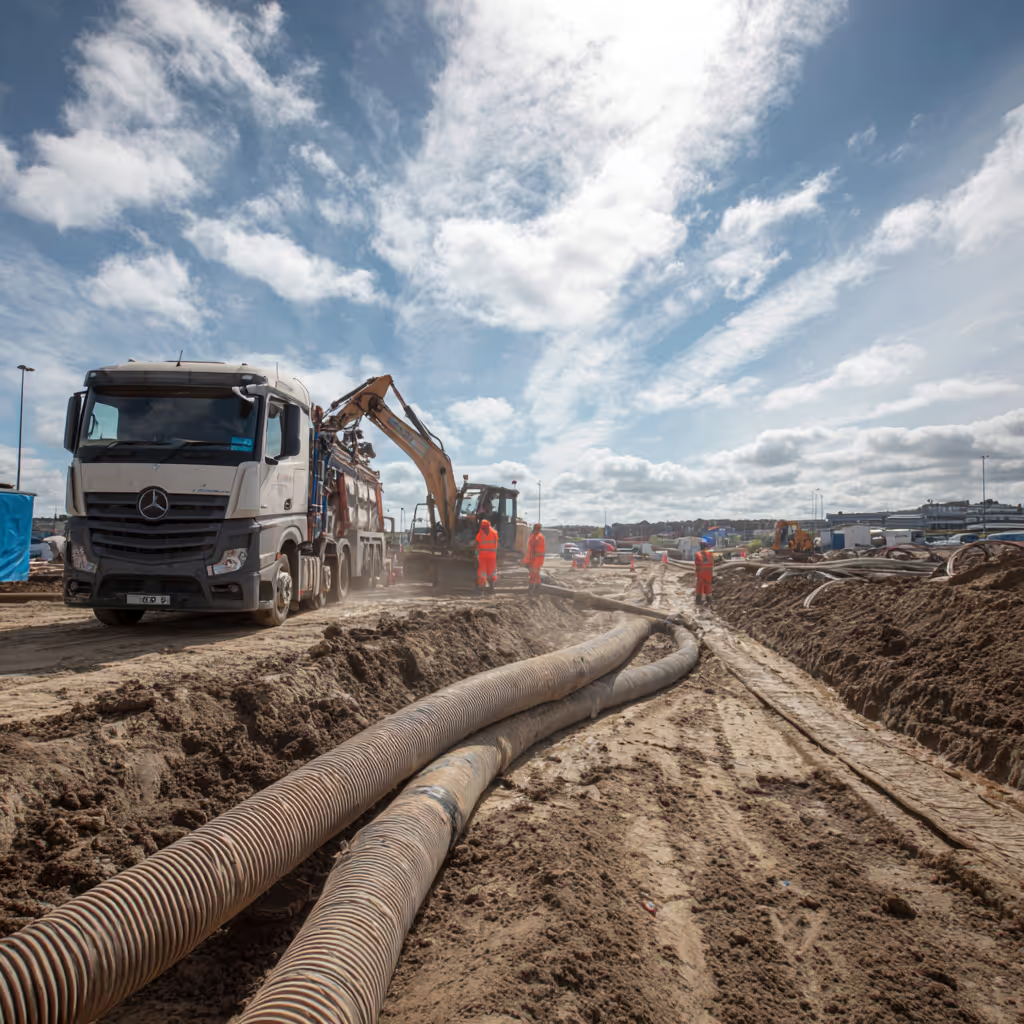
Long Reach and Remote Excavation
Long hose capabilities enable excavation where direct plant positioning is difficult.
Useful for remote stand-off excavation and difficult access.
Can support deeper excavation tasks where practical.
Reduces the need for larger open excavations in some scenarios.
Reach capability is unit- and conditions-dependent (hose length, ground type, set-up).
Typical market examples often quote long horizontal and vertical reach figures on high-output units.
Ask for the nearest suitable unit specification for your site.
- Book now
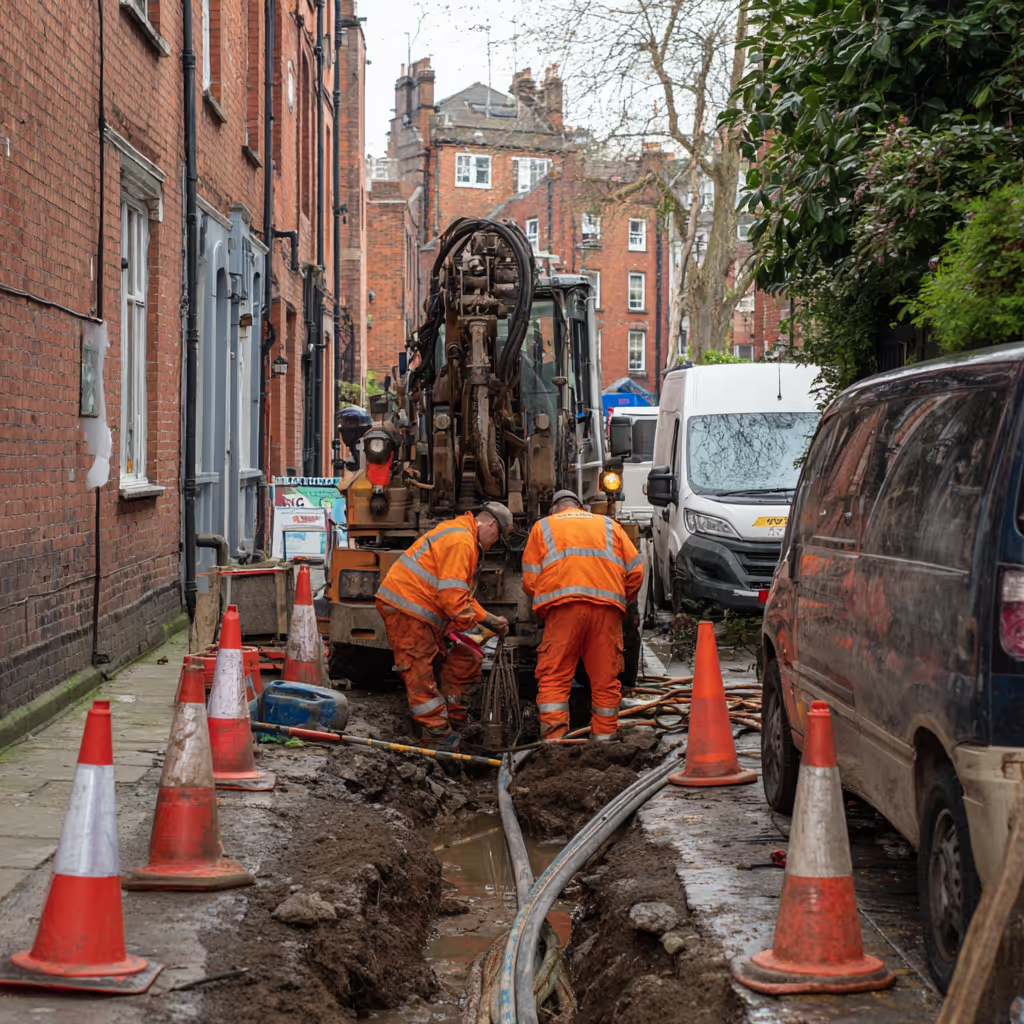
Confined Access and Sensitive Environments
A controlled excavation method suited to congested sites, restricted corridors and sensitive assets.
Useful where traditional excavation would be disruptive or impractical.
Helps protect tree roots and adjacent structures when used correctly.
Supports cleaner digging in busy public-facing environments.
Site planning required: access, traffic management and exclusion zones.
Additional permits may apply for highway and public land works.
Output: contained spoil for controlled tipping/stockpiling.
Planning, Permits and Safe Site Set-Up
Vacuum excavation supports safer excavation, but UK best practice still requires a safe system of work: planning the work, locating and identifying buried services, and safe excavation.
For verification-by-excavation tasks under PAS 128 approaches, vacuum/suction excavation may be used to expose utilities. Excavating on the public highway (including footpaths) requires an excavation permit from the local authority.
What We Need Before We Attend
Site address/postcode and main point of contact.
Access notes (width restrictions, headroom, parking and loading position).
Scope of works (potholing, trenching, deep excavation support, etc.).
Any available utility information (drawings, searches, recent survey outputs).
Traffic management requirements and working hours (especially highways/urban sites).
Safety and RAMS Alignment
Excavating activities should be planned and risk assessed, with clear method statements.
Operators should be trained/competent and briefed on your site traffic management arrangements.
Agree exclusion zones, banksman/signaller support and communication methods before work starts.
Where excavation is involved, safe inspection requirements must be met and work should not proceed until the excavation is safe.
All services are subject to safe access, site readiness, and local permitting requirements. Capability figures are dependent on machine specification, ground conditions and set-up. Vacuum excavation reduces risk but does not remove the need for utility locating, permits and safe systems of work.


Request a Vacuum Excavation Quote
Rapid Hire provides nationwide vacuum excavation and suction excavator hire for utilities, construction and civil engineering projects. We’ll recommend the right unit and plan the visit around your site constraints.
Availability and response times depend on location, routing and project scope.
Availability and response times depend on location, routing and project scope.